





Climate
We make our products as eco-friendly as possible by reducing the greenhouse-gas emissions tied to producing and shipping them.
OUR MISSION
It’s our mission to help you make healthy choices for your skin and the planet, while making a more thoughtful impact on the environment.
THREE PILLARS
We make our products as eco-friendly as possible by reducing the greenhouse-gas emissions tied to producing and shipping them.
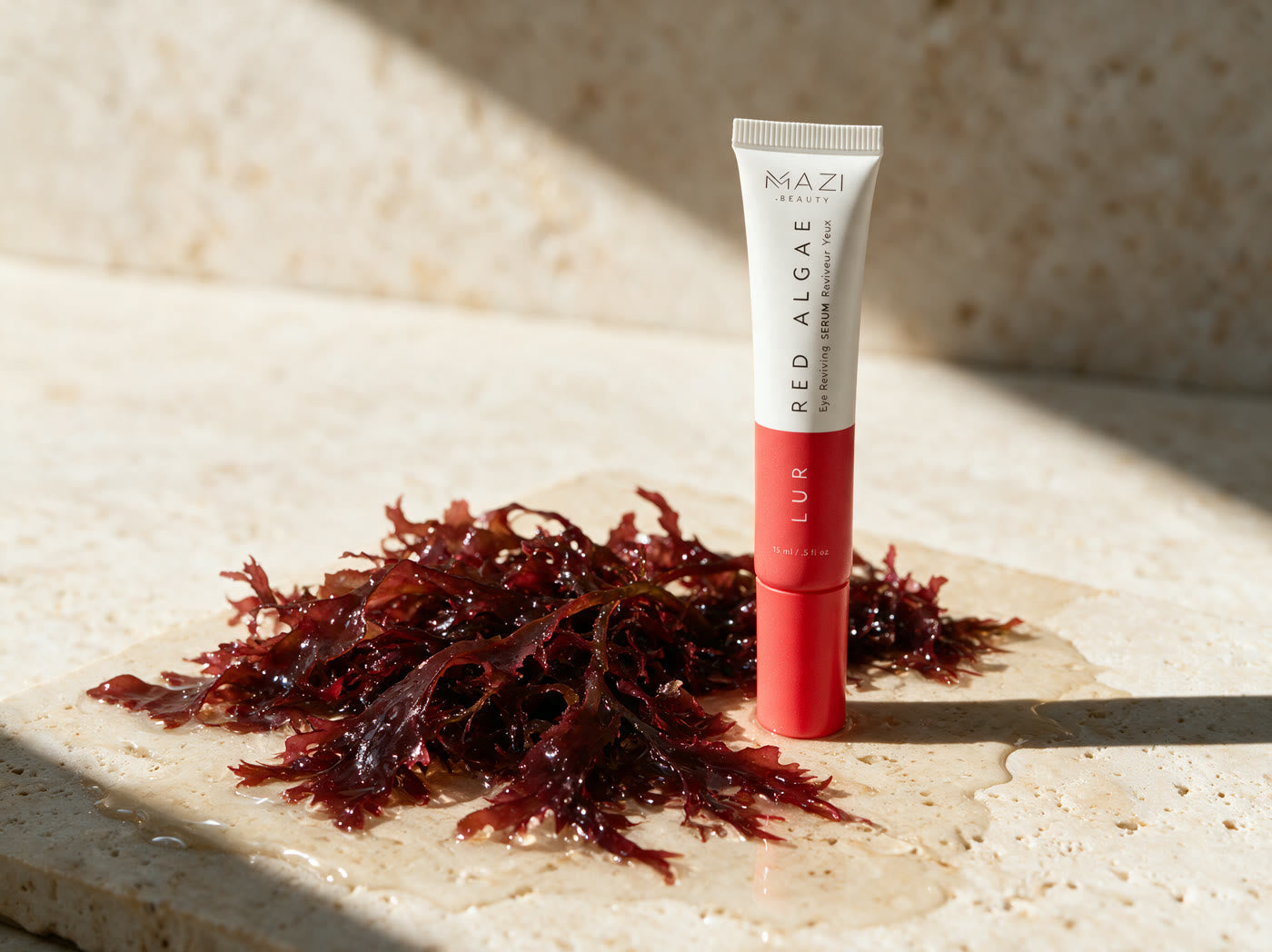
We make sure our ingredients and packaging are eco-friendly and socially responsible, every step of the supply chain.
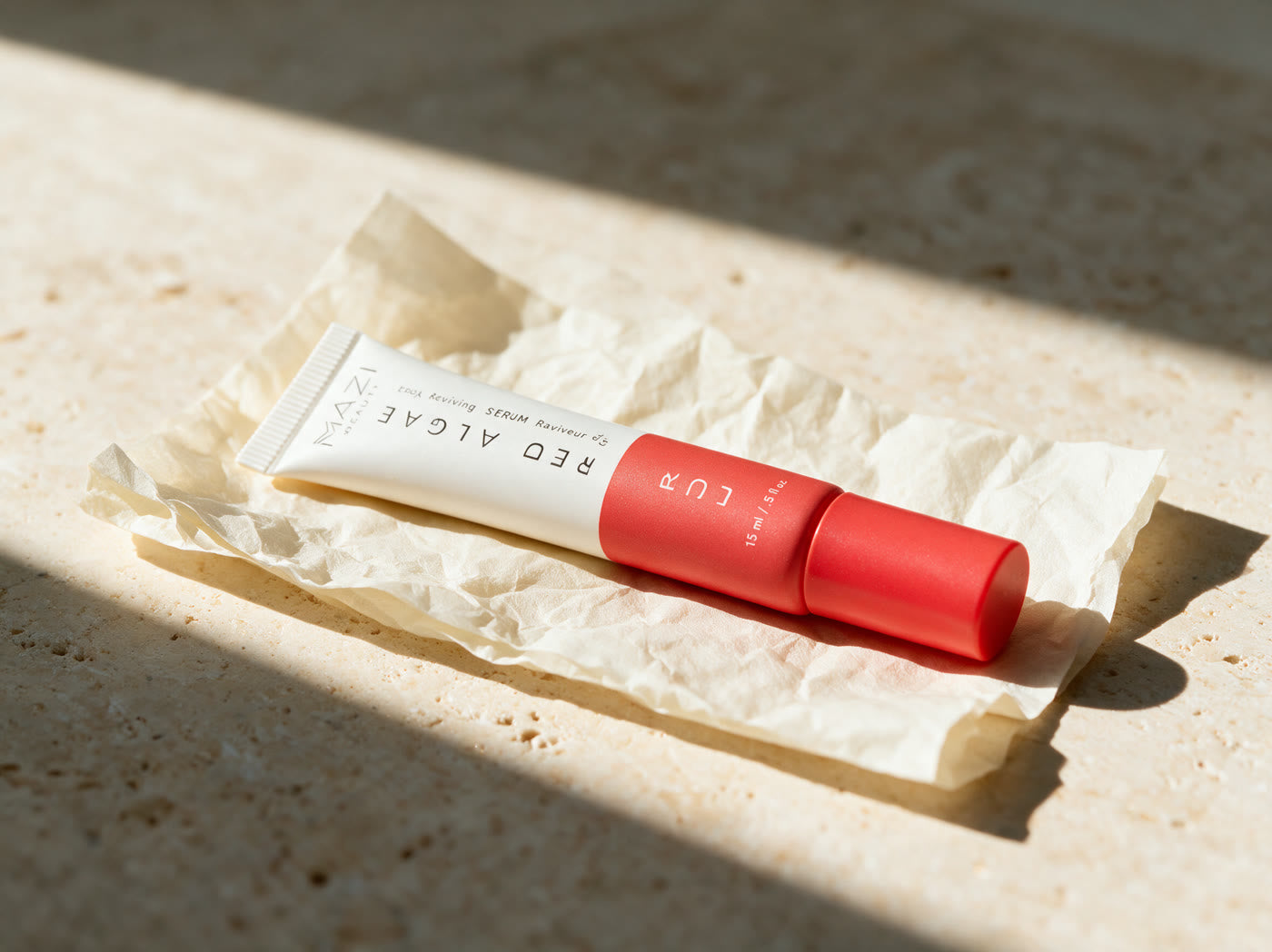
We reduce our reliance on virgin plastic wherever possible.
It’s a journey. Day by day.
FAQ
Carbon is a type of greenhouse gas (GHG) emitted into the atmosphere through activities like driving a car, heating water, or even yawning. Carbon and other GHGs absorb infrared radiation emitted from the Earth’s surface and radiate it back, creating the greenhouse effect that traps heat in the atmosphere. As more GHGs accumulate, the average annual temperature rises, a phenomenon known as global warming.
We offset all transportation emissions, from every customer order, every return, every inbound or outbound shipment. We partner with Flexport.org to calculate emissions tied to each shipment, then purchase carbon credits to offset them.
Beyond our blocklist of 1,500+ ingredients that could harm you or the planet, we will never use hazardous ingredients like microplastics that pollute water or oxybenzone that damages ocean reefs. We continue working with suppliers to source ever-more-responsible alternatives.
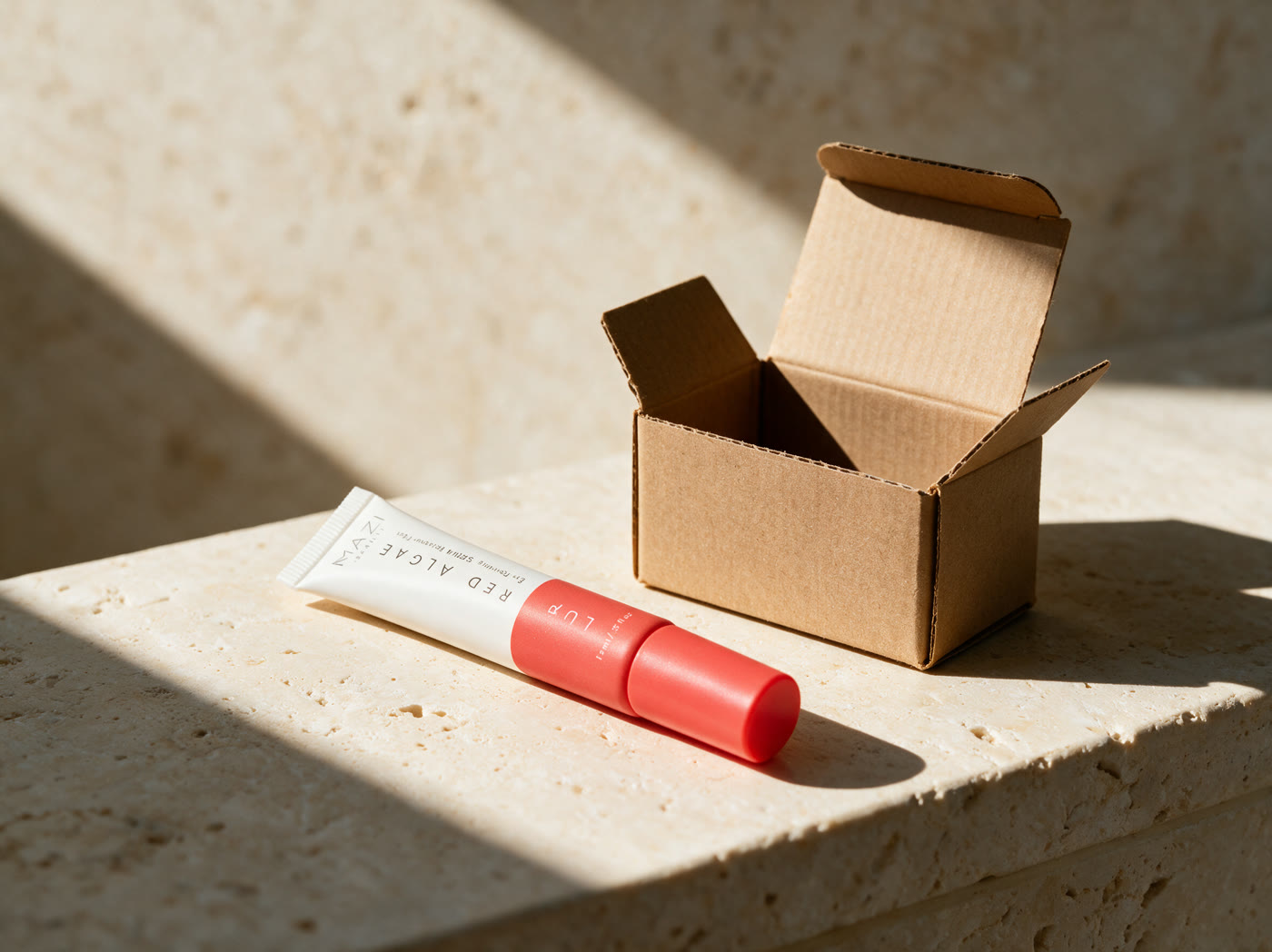
We’re determined to reduce both plastic and glass waste by using recycled materials. We currently use sugar-cane plastic for our cosmetic tubes, which reduces the amount of virgin plastic we rely on. We also have an R&D program for vegetable-based printing inks, so our packaging is printed without harsh chemicals.
Every supplier adheres strictly to our Code of Conduct for Suppliers, and we perform on-site inspections at their facilities on a regular basis to make sure they continue to meet our standards.
It depends, and that’s the honest answer. Plastic has the lowest carbon footprint of the common packaging materials, despite its environmental cost downstream. Switching everything to glass would reduce plastic pollution, but it wouldn’t solve all our problems: the greenhouse-gas emissions tied to glass production are often comparable to plastic, especially for smaller items.
We assess each product individually, how it’s used, the formula’s sensitivity to UV light, whether it travels, and choose the packaging that minimises overall impact. In most cases, plastic’s lower gross weight means lower CO₂ emissions during transport, which is why it’s currently our default for many formulas.
Be the first to hear about launches and offers.